2026-04-28
Planting for shelter and screening that holds its density down low
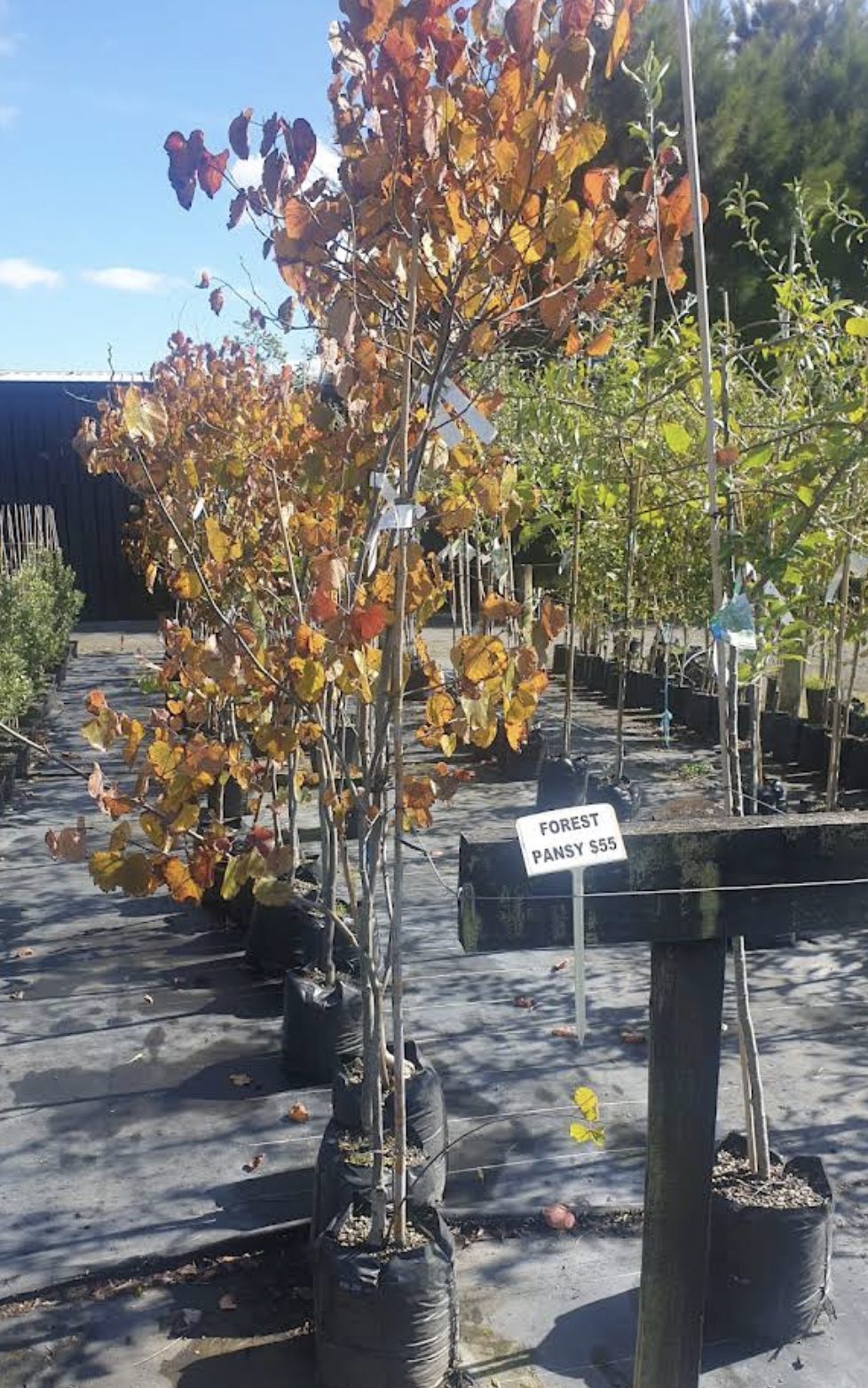
A screen is only as good as its weakest gap, and the weakest gap is almost always down low. Plenty of shelter planting looks lush up top and thin at knee height, which is exactly where you wanted the privacy and the wind protection in the first place.
Getting density at the base starts with the species. Some plants naturally branch low and hold their foliage all the way down; others shed their lower growth as they reach for the light. If a dense base matters to you, say so when you choose, because it changes the shortlist completely.
Spacing is the next lever. Plant too far apart and the gaps take years to close, if they ever do. Plant sensibly close and the plants knit into a continuous wall far sooner. There is a real cost to over-spacing, and it is paid in years of waiting.
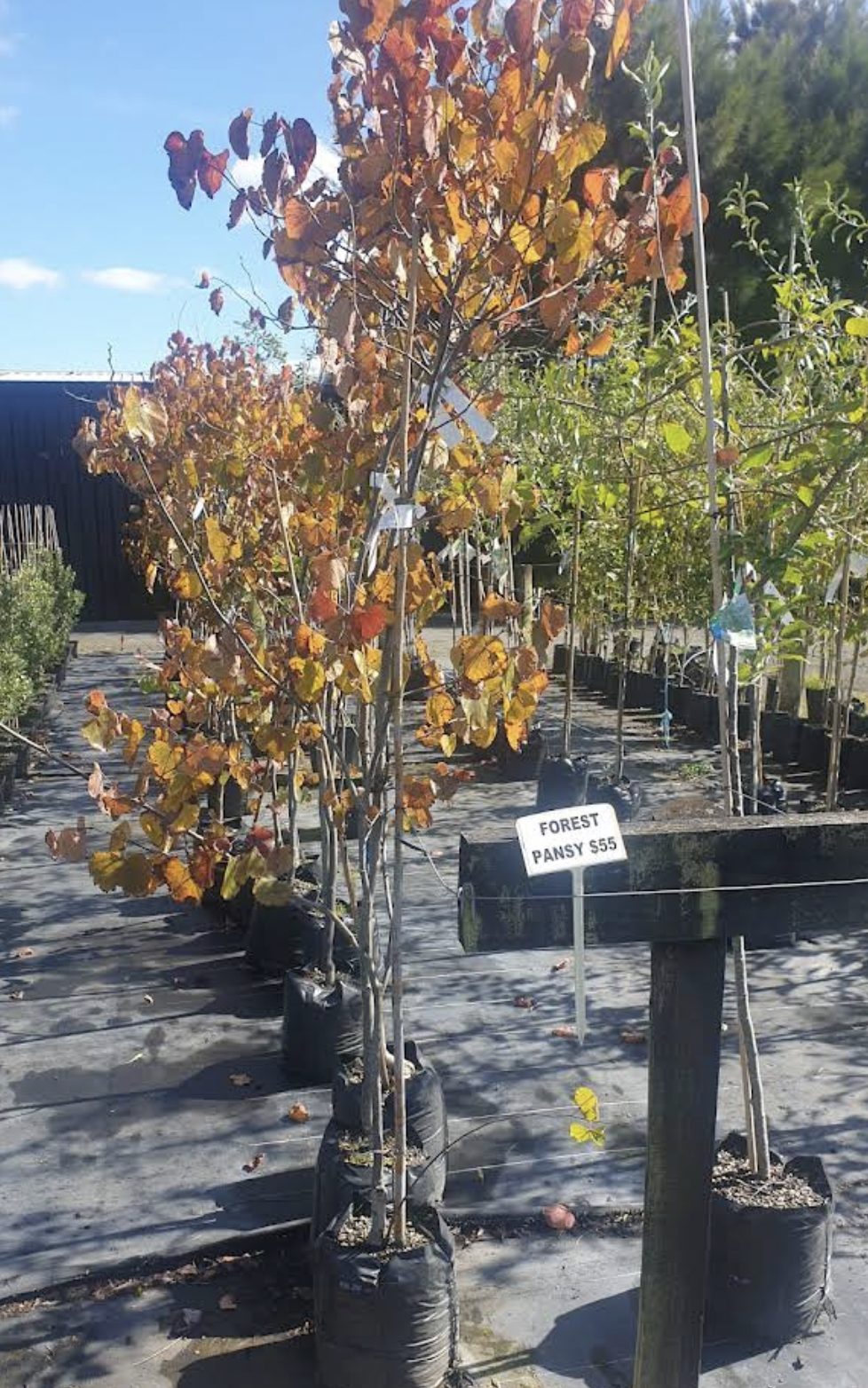
Then there is the question of fast versus slow. A quick-growing screen is tempting, and sometimes it is the right call. But the fastest growers are often the ones that go leggy, need the most trimming, and run out of steam. A slightly slower, denser species frequently gives a better screen that lasts far longer for less ongoing work.
Aspect and wind shape the choice too. An exposed, salt-laden or constantly windy site rules out the soft, fast options and points you at the tougher performers that will hold their shape rather than tatter.
Finally, plan for the final height before you plant, not after. A screen that wants to be six metres tall is a problem next to a boundary, and topping it hard every year just makes it thin and ugly. Choose something whose natural height suits the job, and the maintenance stays light.
Bring us the length you want covered, the aspect and a rough idea of the height you are after. We will set you up with the right species and the right spacing so your screen is dense where it counts and stays that way.