2026-05-20
Right plant, right place: how to choose for the spot you actually have
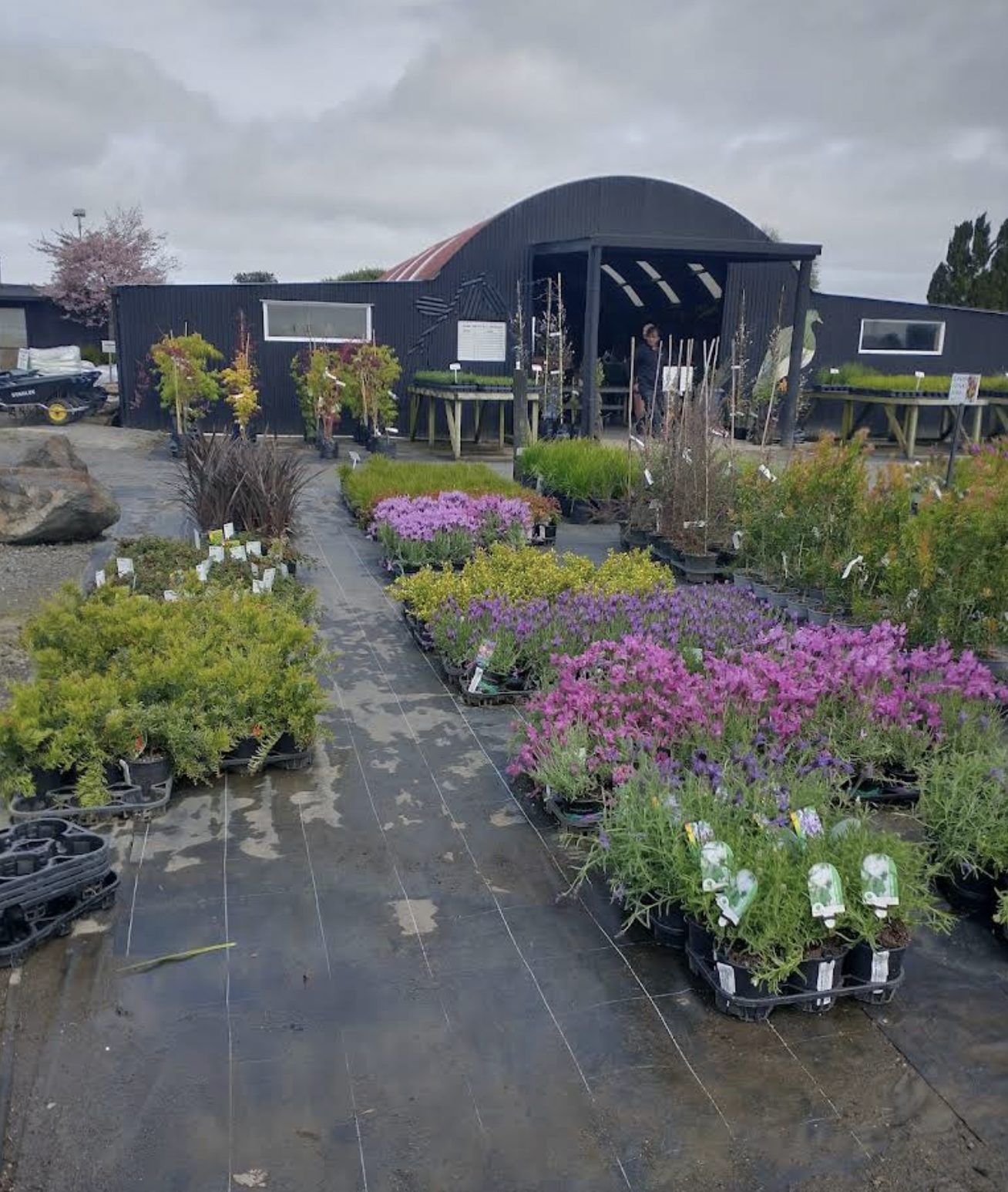
Almost every plant that fails in a garden fails for the same reason: it was the wrong plant for the spot it went into. Not bad luck, not a green thumb you were not born with. The plant simply was not suited to the soil, the light, the wind or the drainage it was asked to live in.
The good news is that this is the easiest problem in gardening to avoid, because it is solved before you ever pick up a spade. It is solved at the point of choosing.
Start with your soil. Dig a hole a spade deep and have a look. Is it heavy and sticky when wet, or does it crumble and drain away? Clay holds water and nutrients but can drown roots in winter; free-draining sandy soil does the opposite. Most plants have a clear preference, and matching that preference is half the battle.
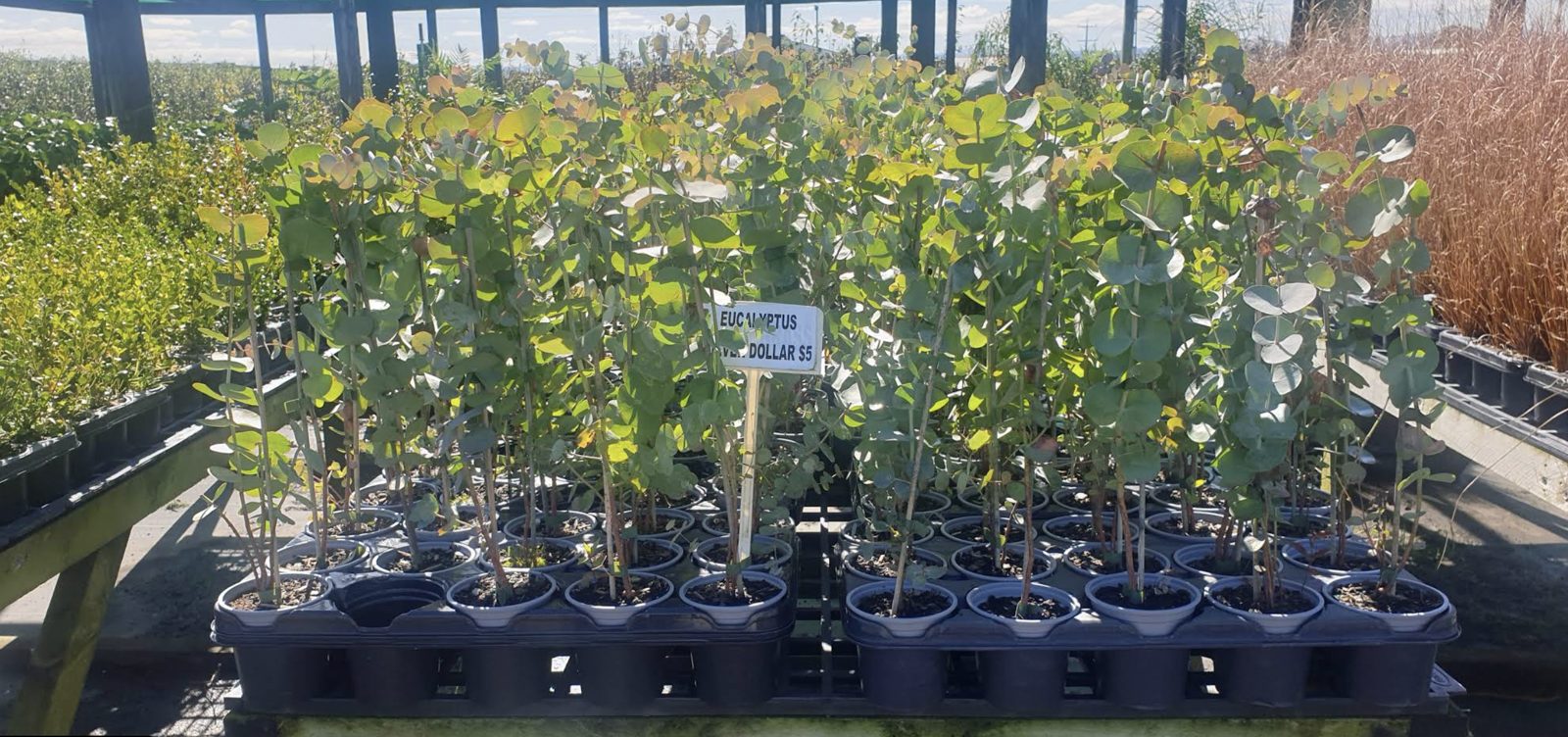
Then look at the light, honestly. A spot that gets blasting afternoon sun in February is a very different place from one that sits in the shade of the house all winter. Watch the area across a day before you plant, and note when the sun actually hits it.
Wind matters more than most people think, especially out here in Franklin. A constant wind dries plants out, snaps soft new growth and stunts anything not built for it. If your site is exposed, that narrows the list, and that is a good thing, because it points you at the plants that will actually succeed.
Finally, think about drainage and what sits below. A low spot where water pools after rain needs plants that tolerate wet feet. A raised, dry bank needs the opposite.
None of this requires a soil test or a degree. It requires ten minutes of looking, and a conversation. When you come in, tell us what you saw: the soil in the hole, where the sun lands, how hard the wind blows. That is exactly the information a grower needs to walk you to the plants that will earn their place, and away from the ones that would have let you down.